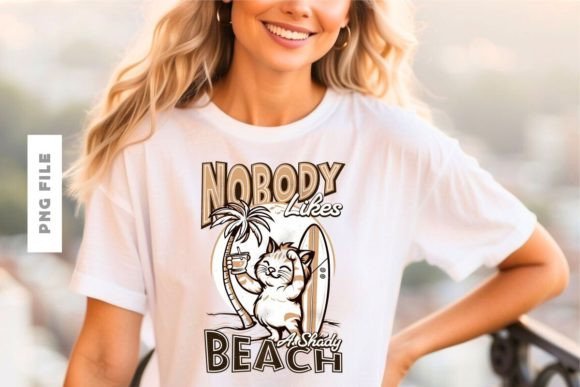
Nobody Likes a Shady Waves: Fresh Summer Merch Designs
There is a specific kind of energy that hits when the sun starts to set, the humidity breaks, and the only sound is the rhythmic crash of the ocean. If you are a designer or a business owner trying to bottle that feeling for a clothing line, you know how difficult it is to find graphics that don't look like generic clip art. The market is flooded with basic palm tree vectors, but your audience is looking for something that feels authentic and high-energy. This is where the "Nobody Likes a Shady Waves" concept comes into play. It isn’t just a catchy phrase; it is a statement piece that blends a laid-back surf vibe with a streetwear edge. It works because it speaks to a lifestyle—people who want to be in the sun, but keep it real. Finding a design file that captures this texture without pixelating on a large print is usually the hardest part of the job.
Why High-Resolution Assets Change the Game
If you have ever tried to scale a standard web graphic onto the back of a hoodie, you know the disappointment. You get jagged edges, blurry text, and a final product that looks cheap. When we talk about the "Nobody Likes a Shady Waves" T-shirt design, we are talking about a file engineered specifically for production. This isn't a 72 DPI screenshot from Instagram; it is a 300 DPI PNG and PDF file designed for the highest quality printing. For a small business owner or a print-on-demand entrepreneur, this distinction is critical. High DPI (dots per inch) ensures that whether you are screen printing a small chest logo or doing a massive sublimation print across an entire hoodie, the ink sits on the fabric sharply. It maintains the integrity of the design, ensuring the "Shady Waves" typography and graphics look just as crisp in your hand as they do on the screen.
The versatility of the file format cannot be overstated. Having both PNG and PDF versions means you are ready for virtually any production method. If you are using a service like Printful or Printify, the transparent PNG allows for easy uploading. If you are working with a local screen printer who needs vector or high-res files for separation, the PDF ensures you aren't scrambling to convert files at the last minute. This kind of preparation is what separates a professional brand from a hobbyist.
Visual Consistency Across Your Brand Identity
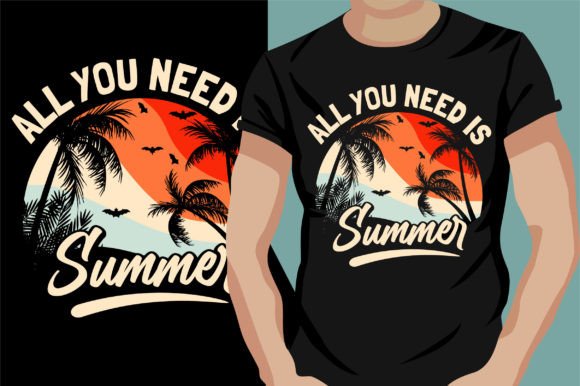
Building a brand isn't just about selling one shirt; it's about creating a recognizable aesthetic. When you utilize a design like "Nobody Likes a Shady Waves," you are adopting a visual language that can extend across your entire ecosystem. Think about the mood: it is likely bold, perhaps utilizing a retro or modern typography style that demands attention. This visual consistency is vital for brand recognition. If your customers see this specific style on a T-shirt, they should be able to recognize it when you post a matching graphic on Instagram or sell a tote bag at a pop-up market.
Consider the practical applications of this specific design file. Because it is designed for merchandise, it works beautifully on more than just apparel. The vector-quality nature of the PDF means you can adapt it for:
- Packaging Design: Print the design onto shipping boxes or tissue paper to create an unboxing experience that reinforces your brand.
- Digital Products: Use the graphic in digital planners, wallpapers, or social media templates to create a cohesive content strategy.
- Marketing Assets: High-res files allow you to create sharp posters or flyers for local events without worrying about pixelation.
This approach ensures that your brand doesn't look disjointed. You aren't using a blurry image on a mug and a crisp one on a poster; the quality remains uniform, which builds trust with your audience.
Practical Applications: From Sublimation to Screen Printing
Understanding the technical side of the "Nobody Likes a Shady Waves" design allows you to maximize your product catalog. One of the standout features of this asset is its suitability for both sublimation and screen printing. These two methods have very different requirements.
Sublimation requires a design that can handle continuous tones and gradients because the ink becomes part of the fabric. If your design has complex shading or watercolor effects (common in "wave" themes), a low-quality file will result in "banding" or visible pixels. The 300 DPI requirement here is non-negotiable. With a high-quality file, you can press this design onto all-over print shirts, mugs, and even socks with confidence that the color fidelity will hold up.
Screen printing, on the other hand, often relies on spot colors and vector separation. While the PNG is great for DTG (Direct to Garment) printing, having a PDF version suggests the design is clean enough to be separated for screens. This opens up the ability to print on non-standard materials like heavy cotton canvas for tote bags or thick fleece for hoodies. The ability to apply this design to "any t-shirt color according to taste" is also a massive plus. A well-designed graphic usually comes with a transparent background or is optimized to look good on both light and dark blanks, giving you total creative freedom with your inventory.
Streamlining Your Workflow with Ready-to-Print Files
Time is money, especially if you are running a lean operation. One of the most frustrating aspects of being a creative entrepreneur is the time spent "prepping" files—removing backgrounds, upscaling resolution, or converting color modes. A "Ready-to-Print" asset eliminates this bottleneck. When you download the "Nobody Likes a Shady Waves" design, it is prepped and primed.
This is particularly crucial for the Print on Demand (POD) model. In POD, speed to market is your competitive advantage. If you spot a trend where surf-retro aesthetics are spiking, you need to have products listed in hours, not days. Having a file that is already 300 DPI and formatted for merchandise means you can upload it to your store, mock it up on a hoodie or poster, and start running ads immediately.
Furthermore, the licensing aspect of "Unlimited Prints" removes a psychological barrier. Some assets require you to track usage or pay royalties per unit sold. Knowing you can print an unlimited number of copies allows you to scale without worrying about legal headaches or unexpected costs. It encourages you to experiment—maybe you put the design on a limited run of denim jackets or canvas sneakers—because you know you have the rights to do so.
Connecting with the Modern Audience
Ultimately, design is about communication. The phrase "Nobody Likes a Shady Waves" resonates because it taps into a modern, somewhat ironic, and positive mindset. It suggests a rejection of negativity ("shady") in favor of something fun and natural ("waves"). For a content creator or marketer, this is gold. It’s a hashtag waiting to happen; it’s a lifestyle slogan.
When you use this design, you are giving your customers a way to express themselves. It’s not just a graphic on a shirt; it’s an attitude. By pairing this design with modern typography and high-quality production, you signal to your audience that you understand their vibe. You are providing them with merchandise that feels premium and intentional, rather than something slapped together. Whether you are a hobbyist selling at a local fair or a clothing brand launching a summer collection, starting with a high-caliber, production-ready asset like this ensures that your final product is something people are genuinely excited to wear.