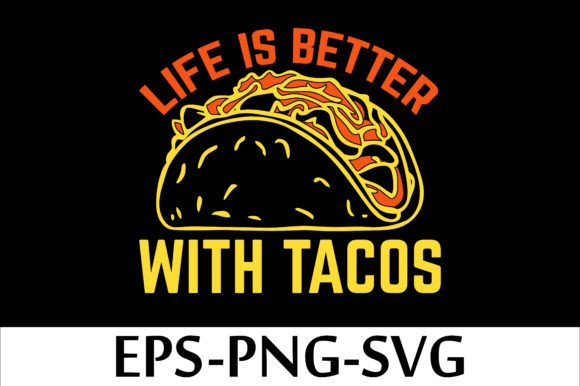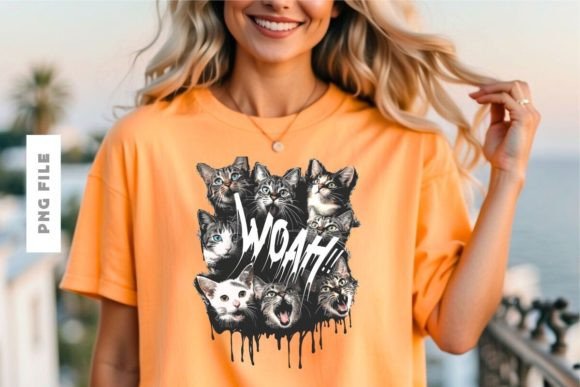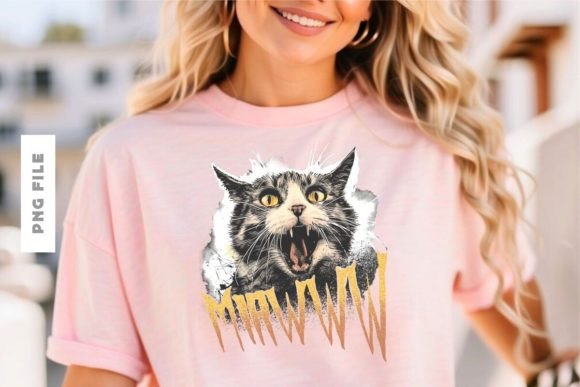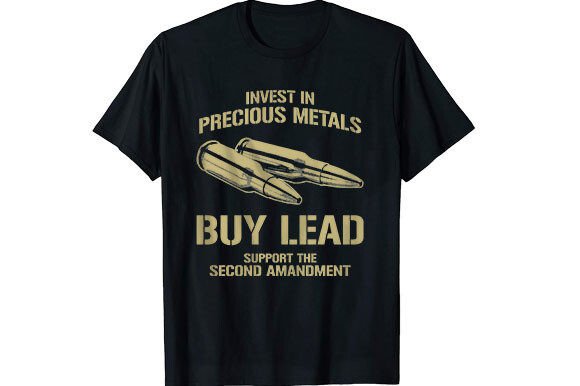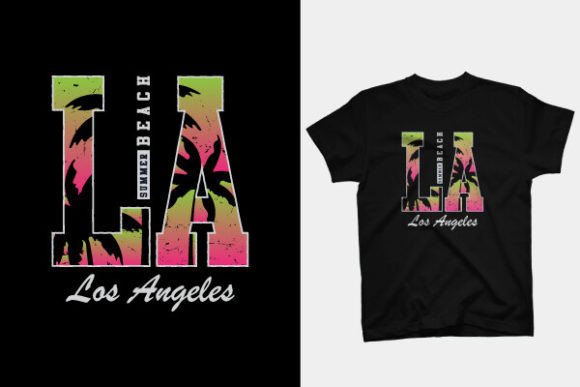
T-Shirt Design - Los Angeles: Your Go-To for Streetwear Graphics
There's a certain energy to Los Angeles style that's hard to pin down but easy to recognize. It's in the bold typography on a vintage band tee, the gritty illustration on a skater's hoodie, the confident script on a startup's merch. If you've ever wanted to bottle that creative spirit and apply it to your own apparel line, personal projects, or client work, the right design assets are your starting point. Think of them not just as files, but as a toolkit for building a visual identity that feels authentic, modern, and ready for the streets—or the online store.
Capturing the LA Vibe in Your Apparel
This isn't about slapping a palm tree on a shirt and calling it a day. True LA-inspired design is a mix of influences: the clean lines of mid-century modernism, the hand-drawn authenticity of skate culture, the typographic punch of Hollywood's golden age signage, and the relaxed, sun-faded palette of the coast. A well-curated collection of design elements understands this blend. It provides you with more than just a single image; it gives you a visual language.
Imagine having a library of illustrations that range from intricate, tattoo-style artwork to minimalist geometric shapes. Pair that with typographic designs that include bold, condensed sans-serifs for impact, elegant scripts for a touch of class, and quirky hand-lettered fonts for personality. The real power lies in the combination. You can create a cohesive brand for a t-shirt line where the hang tag, the website, and the social media posts all speak the same visual dialect, even if each individual piece is unique.
From Screen to Stitch: Practical Applications
The versatility of a comprehensive design package is what makes it invaluable for creators and entrepreneurs. The files aren't just for the front of a t-shirt. Here’s how you can leverage them across multiple touchpoints to build a stronger, more recognizable project or brand:
- Apparel & Merchandise: This is the core use, of course. Design for t-shirts, hoodies, tank tops, and even accessories like tote bags or hats. The included PNG files with transparent backgrounds make mockup creation a breeze.
- Brand Identity & Logo Design: Use a standout typographic element or a simplified version of an illustration as the cornerstone of a logo. A strong wordmark derived from a display font can set the entire tone for a brand's identity system.
- Packaging & Labels: For product-based businesses, unique packaging is key. Apply these designs to box sleeves, sticker sheets, or product labels to create an unboxing experience that feels special and on-brand.
- Digital Presence: Elevate your social media graphics, website banners, and blog post headers. A consistent style of illustration or typography across your Instagram feed or website creates instant recognition and professional polish.
- Print & Editorial: Use elements for poster designs, zines, event flyers, or lookbooks. The scalable vector files (AI, EPS, SVG) ensure your designs stay crisp from a small sticker to a large-format poster.
This approach transforms a single purchase into a foundational design system. Instead of starting from scratch for every new project, you have a cohesive set of assets that ensure visual consistency, which is a massive time-saver and a direct boost to brand recognition.
Making Smart Choices for Your Project
Having a great toolkit is one thing; using it effectively is another. Here’s some practical advice to ensure your designs hit the mark, whether you're creating for yourself or a client.
Align Style with Message
Before you dive in, ask: what is the core personality of this project? A gritty, distressed illustration style will communicate something entirely different than a clean, vector-based geometric pattern. The same goes for typography. A bold, condensed sans serif screams urgency and modernity, perfect for streetwear or a tech brand. A flowing script font adds elegance and a personal touch, ideal for a boutique or a lifestyle brand. Choose assets that amplify your intended message.
Test Your Font Pairings
If the package includes multiple typefaces, don't just use them randomly. The classic rule of thumb is to pair a display font (used for headlines and logos) with a more neutral, readable sans serif or serif font for body text. For example, pair a heavy, decorative headline font with a clean sans-serif for supporting text on a website or product description. Always test pairings together to ensure they have enough contrast to be interesting but enough harmony to feel cohesive.
Don't Sacrifice Readability
This is crucial, especially for text-heavy designs or logos. A beautifully ornate font is useless if no one can read it from five feet away or on a mobile screen. When using text on apparel, consider the viewing distance. For a chest print, something with good contrast and clear letterforms will always work best. Save the more intricate, creative font styles for smaller accents or when readability is less of a concern.
Understand Your File Types
The inclusion of AI, EPS, SVG, and PNG files gives you maximum flexibility. Use the vector formats (AI, EPS, SVG) for any work that needs to be scaled—like printing, engraving, or editing paths in Adobe Illustrator. The PNG files are perfect for quick digital use, like social media posts or website graphics, where you need a transparent background and don't need to edit the vector paths. Knowing which file to use for which task will streamline your workflow significantly.
Review Licensing for Commercial Use
This is a non-negotiable step. If you plan to sell products featuring these designs—whether it's a t-shirt, a mug, or a digital download—you must ensure the license permits commercial use. Most reputable design marketplaces offer clear licensing terms. Read them carefully. A good license will allow you to use the assets in unlimited commercial projects for you or your client, which is essential for any serious entrepreneur or small business owner.
Building More Than Just a T-Shirt
Ultimately, investing in a quality set of design assets like those inspired by the LA aesthetic is about building a foundation. It's about having the tools to create a world around your product or idea—a world that feels consistent, professional, and engaging to your audience. It’s the difference between a one-off project and a recognizable brand. By focusing on practical application, smart design choices, and the right file formats, you equip yourself to create work that doesn't just look good, but works hard for you across every platform and product you touch.